Why Do I Feel Like I Can’t Enjoy Anything Anymore?
If you’ve caught yourself thinking, “Nothing feels fun anymore,” “I don’t look forward to things like I used to,” or “Even the good stuff doesn’t really land,” you’re not alone.
For many people, this feeling is confusing and even scary because it doesn’t always come with a clear explanation. You might have a decent life on paper. You might still be functioning at work, showing up for your family, and doing what you “should” do, yet inside, everything feels flat.
That experience is real. It can be painful. And it’s also something we can understand and treat.
In this article, we’ll walk through common reasons enjoyment can disappear, what this can mean emotionally and clinically, and what steps can help you find your way back to feeling connected, motivated, and genuinely present in your life.
When enjoyment fades, it often has a name
A common term for “I can’t enjoy anything anymore” is anhedonia, which simply means a reduced ability to feel pleasure or interest in things that used to matter to you.
Anhedonia isn’t a character flaw, and it isn’t you “being dramatic.” It’s a meaningful mental health symptom that can show up in depression, anxiety, trauma responses, burnout, substance use recovery, and more.
Some people describe it as numbness. Others describe it as emptiness, disconnection, or a constant sense of “blah.” Sometimes it’s subtle, like you’re going through the motions. Sometimes it’s profound, like you can’t remember the last time you truly enjoyed anything.
What it can feel like day to day
People experience this in different ways, but some common signs include:
- You don’t look forward to things, even ones you used to love
- You cancel plans more often, or you go but feel detached
- You feel emotionally “muted,” like joy doesn’t reach you
- Hobbies feel like chores
- Food, music, sex, or time with loved ones feels less satisfying
- You wonder if something is wrong with you because you “should be happy”
- You feel guilty or ashamed for not appreciating your life
- You’re more irritable, restless, or fatigued than usual
If any of this resonates, it may help to know that losing pleasure is often your mind and body signaling that something needs attention, support, and care.
Why you might not be able to enjoy anything anymore
There isn’t one single reason this happens. Usually it’s a mix of biology, psychology, and life context. Here are some of the most common patterns we see.
1) Depression (even when you’re still high-functioning)
Not everyone with depression can’t get out of bed. Many people keep working, parenting, and achieving, but feel dead inside.
Depression often shows up as:
- Low mood or irritability
- Loss of interest or pleasure
- Changes in sleep or appetite
- Low energy, brain fog, or slowed thinking
- Feeling hopeless, worthless, or stuck
Sometimes people don’t realize they’re depressed because they aren’t crying all day or because they can still “perform.” But if enjoyment has been fading for weeks or months, it’s worth taking depression seriously.
2) Chronic stress and burnout
When your nervous system is in a prolonged state of stress, your body prioritizes survival over pleasure.
Burnout can look like:
- Emotional exhaustion
- Cynicism or disconnection
- Feeling like nothing you do matters
- Reduced motivation and productivity
- Trouble resting, even when you have time
If you’ve been “pushing through” for a long time, your capacity for joy can get crowded out. This is especially common for caregivers, high achievers, helping professionals, and people navigating constant demands with little recovery time.
3) Anxiety that’s always running in the background
Anxiety doesn’t always look like panic. It can be persistent worry, overthinking, perfectionism, or a constant sense of pressure.
When anxiety is high, it’s hard to enjoy the present because your mind is scanning for what could go wrong. Even positive experiences can feel tense. You might be physically there, but mentally bracing.
Over time, that state can lead to emotional shutdown. It’s not that you don’t want to enjoy things. It’s that your system doesn’t feel safe enough to relax into them.
4) Trauma, grief, and emotional protection
If you’ve been through trauma, loss, or a period of emotional pain, numbness can be a form of protection.
Sometimes the nervous system decides: Feeling nothing is safer than feeling everything.
This can happen after:
- Childhood trauma or neglect
- Abuse or assault
- A major loss or breakup
- Medical trauma
- A difficult pregnancy or postpartum period
- Ongoing relational stress
If pleasure has faded after something painful, it may be less about “what’s wrong with you” and more about your system trying to cope.
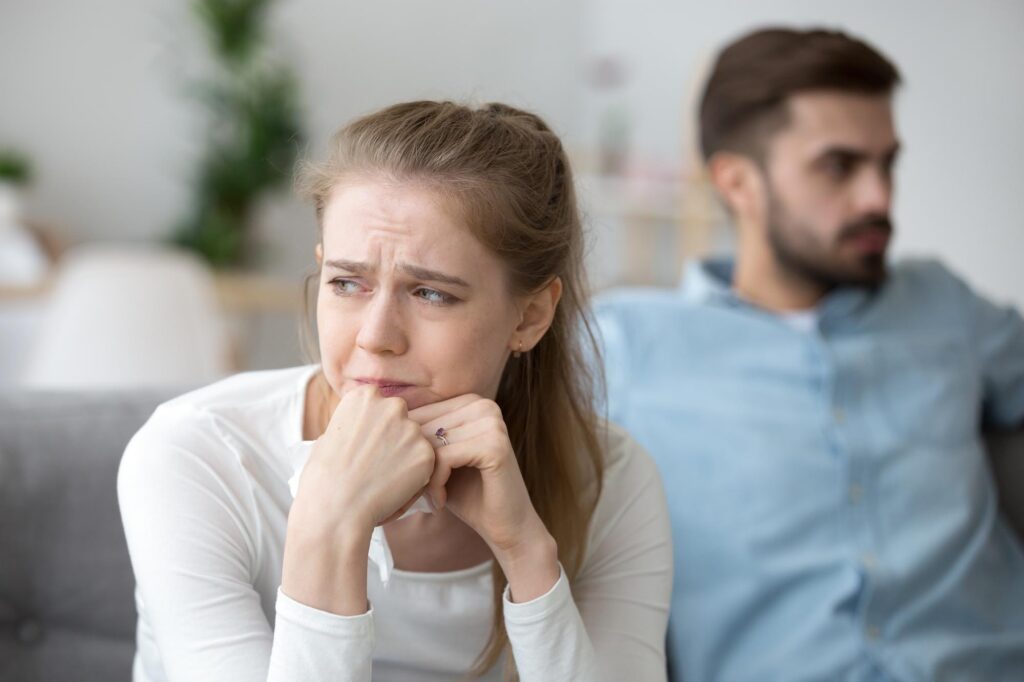
5) Life transitions that quietly shake your foundation
Even positive changes can create internal stress: moving, starting a new job, graduating, getting married, becoming a parent, or buying a home. These life transitions often disrupt routine, identity, and community. You may not feel “sad,” but you can feel unmoored. Enjoyment can be one of the first things to go when you’re trying to adapt and keep everything together.
6) Disconnection and loneliness (even when you’re around people)
Many people are surrounded by others and still feel alone. If you don’t feel understood, emotionally safe, or truly seen, your world can start to feel gray.
Disconnection can also come from:
- Social comparison
- People-pleasing
- Masking your emotions
- Feeling like a burden
- Not having space to talk about what’s real
Humans are wired for connection. When that need isn’t met, pleasure often fades.
7) Sleep problems, medical issues, and medication factors
Mood and pleasure aren’t only psychological. They’re also biological.
A few physical factors that can contribute include:
- Sleep deprivation or disrupted sleep
- Thyroid issues, vitamin deficiencies, hormonal changes
- Chronic pain or inflammation
- Side effects from certain medications
- Substance use, including alcohol or cannabis, especially if used to cope
If this emotional flattening feels sudden, intense, or out of character, consider also talking with a medical provider to rule out or address underlying contributors. A whole-person approach matters.
The hidden layer: guilt, shame, and “What’s wrong with me?”
One of the hardest parts of not enjoying anything is the self-judgment that follows.
You might think:
- Other people have it worse.
- I should be grateful.
- Maybe I’m just lazy.
- Maybe I’m broken.
But pleasure doesn’t respond to pressure or shame. In fact, shame tends to push people further into withdrawal.
A more compassionate reframe is: Something in me is depleted, overwhelmed, or protecting itself. What do I need right now?
That question can be the start of healing.
A quick self-check: a few gentle questions to ask yourself
You don’t need perfect insight to get support, but reflection can help you name what’s happening.
Consider:
- When did I first notice things feeling dull or flat?
- Did anything change around that time, even if it seems “small”?
- Am I carrying stress that I’ve normalized?
- Do I feel safe, supported, and connected in my relationships?
- Am I sleeping enough, eating regularly, and getting any downtime?
- Do I feel like I have to be “on” all the time?
- Are there emotions I’ve been avoiding because they feel too big?
If these questions bring up a lot, that’s okay. You don’t have to sort it out alone.
What can help when nothing feels enjoyable
There’s no quick fix, but there are real, evidence-based steps that can help you move from numbness back toward engagement and joy. Here are starting points we often recommend.
1) Stop waiting to “feel like it” (and start smaller than you think)
When enjoyment is low, motivation usually follows, not leads.
Instead of asking, “What do I feel like doing?” try asking, “What’s one tiny action that supports the version of me who wants to feel better?”
Examples:
- Step outside for two minutes of fresh air
- Put on one song and just listen
- Take a shower and change clothes even if you’re staying home
- Text one person a simple check-in
- Eat something with protein and drink water
These won’t instantly bring joy back, but they can begin to unfreeze the system and create movement.
2) Think in terms of “nervous system care,” not just self-care
If you’re depleted or stuck in survival mode, your body may need regulation before your mind can access pleasure.
Simple regulating practices include:
- Slow breathing with longer exhales
- Gentle stretching or walking
- Warm showers, weighted blankets, or soothing sensory input
- Less multitasking, more single-tasking
- Short, consistent breaks instead of waiting for a “real vacation”
This isn’t about being perfect. It’s about sending your system the message that you’re safe enough to come back online.
3) Watch the “numbing loop”
Many of us cope by scrolling, overworking, overeating, or using substances to take the edge off. These strategies can be understandable, and they often start as survival tools.
The tricky part is that they can also flatten pleasure over time. When your brain is constantly flooded with stimulation or escape, real-life experiences can start to feel underwhelming.
You don’t need to shame yourself for coping. It can be more helpful to get curious:
- What am I trying not to feel?
- What do I reach for when I feel empty?
- What would support me more gently?

4) Reconnect with meaning, not just happiness
Sometimes joy returns through meaning first.
That might look like:
- Doing something that aligns with your values
- Helping someone in a way that feels sustainable
- Creating something small, even imperfect
- Spending time in nature
- Practicing faith or spirituality if it’s supportive for you
- Returning to routines that make you feel grounded
Meaning can be a bridge when pleasure feels far away.
5) Consider therapy, especially if this has been lingering
If you’ve been feeling this way for more than a couple of weeks, or it’s affecting your relationships, work, or sense of self, therapy can help you understand the “why” and build a plan that fits you.
Depending on what’s going on, we may use approaches such as:
- CBT (Cognitive Behavioral Therapy) to work with thought patterns, avoidance cycles, and depression symptoms
- Trauma-informed therapy to address nervous system shutdown, hypervigilance, and unresolved pain
- ACT (Acceptance and Commitment Therapy) to reconnect with values and build psychological flexibility
- Skills-based support for stress management, emotional regulation, and burnout recovery
Therapy isn’t about forcing positivity. It’s about helping you feel safer in your inner world so pleasure and connection can return naturally.
6) If you’re wondering about medication, you deserve a thoughtful conversation
For some people, medication can be a helpful part of treating depression or anxiety, especially when symptoms are persistent or severe. For others, therapy alone or a combined approach works best.
If you’re curious or unsure, a psychiatric evaluation can clarify options without pressure. You deserve a plan that considers your full history, your goals, and how you want to feel, not just symptom checklists.
When to seek help sooner (not later)
Please reach out for support promptly if:
- You’re feeling hopeless or like things won’t get better
- You’re withdrawing from everyone
- You’re using substances more to cope
- You’re having thoughts of self-harm or suicide
- You feel like you’re “not yourself,” and it’s getting worse
If you are in immediate danger or need urgent help, call 988 (Suicide & Crisis Lifeline in the U.S.), call 911, or go to your nearest emergency room.
You’re not broken. You’re having a human response to something real.
Not being able to enjoy anything can feel isolating, but it’s also one of the most common reasons people seek help. And in many cases, it gets better with the right support.
You don’t have to “prove” you’re struggling enough. If your world has gone dim, that matters. If you feel numb, stuck, or disconnected, that matters. You deserve care that takes you seriously and helps you feel like yourself again.
Ready for support?
At Insight Recovery Mental Health, we provide compassionate, evidence-based care for anxiety, depression, trauma, burnout, and life transitions. If you’re feeling like you can’t enjoy anything anymore, we’ll meet you with empathy, not judgment, and help you understand what’s happening and what can help.
If you’re ready to take the next step, reach out to Insight Recovery Mental Health to schedule a consultation. We’re here to support your healing, one step at a time.