Finding a mental health professional who possesses specialized, verified expertise in treating Obsessive-Compulsive Disorder (OCD) can completely change the trajectory of an individual’s life. OCD is a highly complex, often misunderstood neurological condition that requires specific, gold-standard interventions to achieve true management and symptom relief. When you or a loved one are trapped in a cycle of intrusive thoughts and exhausting mental or physical rituals, finding a clinician who understands the mechanical inner workings of this condition is paramount.
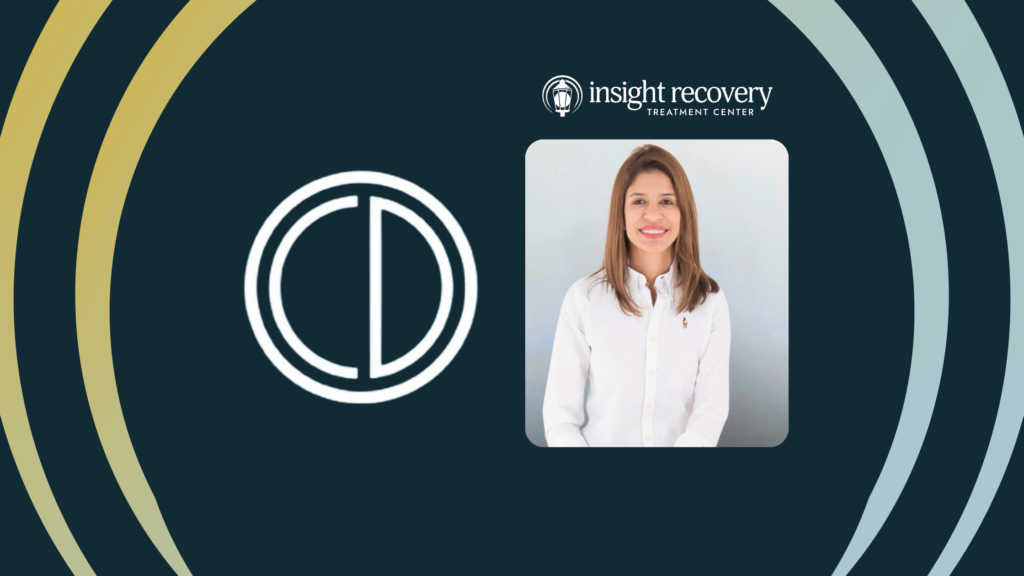
At Insight Recovery Mental Health, located at 7 McKay Ave in Winchester, Massachusetts, we are deeply committed to elevating the standard of behavioral healthcare in our community. That is why we are incredibly proud to announce that our primary counselor, Susane Smiroldo, MS, has been officially added to the International OCD Foundation (IOCDF) professional directory as a recommended OCD treatment provider.
Working under the clinical supervision of Sarah Carpenter, LCSW, Susane Smiroldo brings a unique combination of clinical expertise, multicultural understanding, trauma-informed care, and linguistic accessibility to individuals struggling across the state of Massachusetts. This official listing reflects her specialized training, dedication, and ongoing success in treating obsessive-compulsive loops within intensive therapeutic settings.
What Does an IOCDF Recommendation Mean for Our Clients?
The International OCD Foundation (IOCDF) is the world’s leading non-profit organization dedicated to helping individuals with OCD and related disorders live full, productive lives. Their provider directory is the absolute gold standard that families, physicians, and suffering individuals frantically search when looking for clinicians who have undergone rigorous training in specialized, evidence-based treatments.
Many people spend an average of 14 to 17 years from the onset of symptoms to finding proper, effective clinical treatment for OCD. This heartbreaking delay occurs because traditional talk therapy—which focuses on analyzing the origin of thoughts or trying to resolve them through logic—can inadvertently worsen OCD symptoms by turning the therapy session itself into a reassurance-seeking compulsion.
Susane Smiroldo’s inclusion in this directory serves as an official validation of her specialized clinical focus. It gives clients and their loved ones profound peace of mind. When you walk through the doors of our Winchester facility, you are not receiving generalized, cookie-cutter advice; you are receiving premier, verified care specifically engineered to combat the biological and psychological mechanisms of obsessive-compulsive loops.
How We Treat OCD at Insight Recovery Mental Health
OCD is highly treatable, and you do not have to navigate its overwhelming waves alone. At Insight Recovery Mental Health, we know that successful treatment requires moving far beyond the societal stereotypes of OCD as a simple preference for cleanliness or neatness. In reality, OCD introduces distressing, ego-dystonic thoughts—fears that directly contradict a person’s actual values and identity—leaving them exhausted and isolated.
We use evidence-based approaches tailored to your unique experience, integrating multiple modalities to help you regain control.
Exposure and Response Prevention (ERP)
ERP is the universally recognized, evidence-based gold standard for treating OCD. It involves gradually and safely confronting the thoughts, situations, or triggers that cause anxiety—while learning to reduce or resist the urge to engage in compulsive behaviors. Under Susane Smiroldo’s guidance as an ERP coach, clients learn to sit with their anxiety without performing mental or physical rituals to escape it. With consistent practice and real-time clinical support, many people find that their anxiety naturally lessens and they feel far more in control over time.
Cognitive Behavioral Therapy (CBT)
CBT provides the cognitive architecture needed to recognize how your thoughts, feelings, and behaviors interact. Within our specialized tracks, CBT helps you identify and challenge unhelpful or catastrophic thought patterns, reduce chronic avoidance behaviors, and build healthier mental and behavioral responses to daily stressors.
Mindfulness-Based Techniques
Many individuals living with chronic anxiety or OCD spend an enormous amount of energy trying to suppress, fight, or control uncomfortable thoughts. Mindfulness-Based Stress Reduction (MBSR) teaches you how to observe your thoughts and emotions neutrally without immediately reacting to them. This somatic awareness reduces emotional overwhelm and increases structural resilience.
Acceptance and Commitment Therapy (ACT)
ACT teaches you how to accept distressing thoughts without engaging in compulsions, while helping you take direct action based on your personal values—not your fears. Instead of trying to eliminate every intrusive thought, ACT guides you to change your relationship with those thoughts so they no longer dictate your daily life.
Medication Management
When clinically appropriate, we actively collaborate with prescribing psychiatric professionals to integrate medication management into your comprehensive treatment plan. This approach is always tailored to your individual needs and long-term recovery goals, and medication is never required to participate in our therapeutic tracks.
Culturally Responsive and Multilingual Mental Health Care
A hallmark of Susane’s clinical work is her deep commitment to inclusivity, cultural humility, and systemic awareness. As a Brazilian immigrant and a trilingual counselor, Susane Smiroldo provides comprehensive individual therapy, psychoeducational groups, and process-oriented sessions fluently in English, Portuguese, and Spanish.
Language is deeply intertwined with identity, emotional processing, and memory. When an individual experiences trauma, deep anxiety, or complex OCD symptoms, their ability to articulate those raw, abstract feelings is often strongest in their primary or native language. Discussing these intensely personal experiences in the language they were lived in is profoundly therapeutic.
As a multicultural health worker and clinician, Susane works closely with diverse populations across Massachusetts, including immigrants, undocumented individuals, and Latinx communities. These populations frequently navigate severe acculturation stress, systemic barriers to healthcare, migration-related trauma, and family dynamics that can complicate mental health recovery. By offering services in multiple languages, Susane Smiroldo effectively eliminates a massive barrier to accessibility, creating a safe, inclusive environment where clients feel seen, respected, and validated at every stage of their treatment journey.
Furthermore, Susane Smiroldo’s clinical space at Insight Recovery is entirely LGBTQIA+ affirming, provides dedicated veterans support, and is fully ADA accessible. No matter your background, socioeconomic status, or identity, you are welcomed here with dignity and compassion.
OCD Intensive Outpatient Program (IOP): Program Details
For individuals who require a more structured level of support than traditional once-a-week therapy can provide, Insight Recovery Mental Health offers an Intensive Outpatient Program (IOP) specifically for OCD and related disorders. This program provides focused, evidence-based support while fitting seamlessly into your daily life.
Duration & Format
- Program Length: A comprehensive 4–12 week intensive program, depending entirely on the severity of symptoms and your individual recovery goals.
- Weekly Schedule: Approximately 10 hours per week of dedicated clinical care, balanced between individual sessions and peer-led group work.
Therapy Components
- One-on-One Specialist Care: Intensive individual sessions with an OCD specialist to focus deeply on your specific subtypes and triggers.
- Real-Time ERP Coaching: Direct, step-by-step guidance as you build and navigate your personal exposure hierarchy, resisting compulsions with real-time support.
- Peer-Led Group Sessions: Structured group environments that encourage meaningful connection, reduce isolation, and focus on collaborative skill-building.
- Targeted Psychoeducation: Clinical instruction to help you and your loved ones fully understand the neurobiology of OCD and master long-term distress tolerance.
Medication Support
- Coordinated Medical Oversight: Seamless referrals or in-program management alongside your active therapies to ensure your biological and psychological care are completely aligned.
Our intensive program is intentionally structured to provide a high level of accountability and therapeutic immersion while allowing you to sleep in your own bed at night, preserve your privacy, and maintain your commitments to home, school, or work.
You’re Not Alone—and You’re Not Defined by Your Thoughts
OCD can feel incredibly isolating, especially when your thoughts are intrusive, disturbing, and don’t feel like your own. Because these thoughts are often ego-dystonic, individuals frequently suffer in silence for years, drowning in shame and terrified that having these thoughts means they are dangerous, broken, or losing their mind.
We want you to hear this clearly: having an intrusive thought does not make it true, and it does not define your character. Having a thoughts-based disorder is a medical condition, not a moral failing. Seeking help is an act of profound courage, not a weakness.
At Insight Recovery Mental Health, we provide a compassionate, multidisciplinary space where clients are met with empathy and genuine human connection. With the right clinical support, you can learn to manage your symptoms, reduce your anxiety, and feel entirely in control of your life again.
OCD Therapy for Winchester & North Shore Residents
Our specialized OCD therapy and intensive outpatient services are centrally located and readily available to individuals and families living throughout the North Shore region of Massachusetts. We proudly provide individualized care to residents of:
- Winchester
- Arlington
- Lexington
- Medford
- Woburn
- Reading
Frequently Asked Questions About Specialized OCD Care
What exactly is the difference between an obsession and a compulsion?
An obsession is an involuntary, intrusive, and highly distressing thought, image, or urge that repeatedly enters a person’s mind, causing severe anxiety or panic. A compulsion is a repetitive physical behavior (such as washing, checking, or arranging) or a mental ritual (such as counting, praying, or repeating words silently) that a person feels driven to perform in a desperate attempt to reduce the distress caused by the obsession. ERP therapy specifically works to break the connection between these two components.
Why is traditional talk therapy sometimes discouraged for treating OCD?
Traditional talk therapy often involves analyzing the “meaning” behind a thought, looking for historical reasons why the thought exists, or seeking logical reasons why the thought isn’t true. For an individual with OCD, this analytical process can easily be hijacked by the disorder, turning the therapy session into a temporary reassurance-seeking ritual. This reinforces the brain’s false belief that the intrusive thought is an active danger. Specialized therapies like ERP and ACT focus instead on changing your behavior and your relationship to the thought, teaching your brain to tolerate the uncertainty without reacting.
How does being a trilingual clinician improve OCD treatment outcomes?
Treating OCD requires exploring highly intimate, sensitive, and distressing internal thoughts. When a client can express these thoughts, somatic sensations, and historical traumas in their native or primary language—whether that is Portuguese, Spanish, or English—it significantly enhances their comfort and emotional safety. Research shows that bilingual care improves communication accuracy, accelerates the formation of a deep therapeutic alliance, and significantly increases a client’s overall engagement and success in treatment.
What is an exposure hierarchy in ERP therapy?
An exposure hierarchy is a collaborative, step-by-step roadmap created by you and your therapist. It is a list of your specific triggers and feared situations, ranked from the absolute lowest anxiety-producer to the highest. During ERP coaching, you begin at the bottom of the ladder, practicing exposure to mild triggers while successfully resisting your compulsions. As your brain adapts and your anxiety naturally drops through habituation, you gradually work your way up to more challenging exposures at a pace that supports both your safety and emotional growth.
Can a client transition directly into the OCD IOP program from a higher level of care?
Yes. Our intensive outpatient framework is highly flexible and serves as an ideal stepping stone for individuals stepping down from an inpatient hospital stay or a residential program, as well as a necessary step up for individuals who find that traditional once-a-week outpatient therapy is no longer sufficient to manage their symptoms. Our multidisciplinary team manages the admissions and clinical transition process smoothly.
Connect With an IOCDF-Recommended Professional Today
Reflecting on her inclusion in the official International OCD Foundation directory and her clinical mission in Massachusetts, Susane shared:
“Being recognized by the IOCDF as a recommended OCD treatment provider is deeply meaningful to me, especially as someone who came from Brazil, now building a career in mental health in the United States. This recognition reflects not only years of training but also my commitment to making evidence-based OCD treatment accessible across cultures and languages. To me, multicultural counseling begins with humility, the willingness to listen, to remain curious, and to recognize that every person’s culture, language, and lived experience shape their path to healing. My hope is that every client feels seen, respected, and empowered to recover.” – Susane Smiroldo
If you or someone you love is tired of navigating the agonizing cycle of obsessive thoughts, exhausting mental rituals, or severe anxiety alone, effective help is available right here in your local community. You do not have to carry this weight in isolation.
Take the First Step Toward Relief
You do not have to live your life in survival mode, exhausted by the endless demands of mental rituals and intrusive fears. Healing is a collaborative journey, and at Insight Recovery Mental Health, you will find a non-judgmental community ready to stand by your side.
Let’s talk about how specialized OCD therapy can help you reclaim peace, flexibility, and confidence in your daily life. Reach out to our admissions team today by emailing ssmiroldo@insightrecoverytc.com or contacting us to schedule your confidential consultation.