Every year, the streets of Boston transform into a sea of teal, filled with individuals, families, and advocates united by a single goal: ensuring that no one affected by Obsessive-Compulsive Disorder (OCD) has to suffer alone. The One Million Steps for OCD Walk is more than just a fundraising event; it is a powerful demonstration of community, a tribute to those we’ve lost, and a beacon of hope for those still navigating their road to recovery.
At Insight Recovery Mental Health, we are honored to walk alongside our community, on May 9th, this year as a bronze sponsor. But more importantly, we walk as neighbors and advocates for the residents of Winchester and the North Shore who battle this misunderstood condition every day.
The Story Behind the Steps
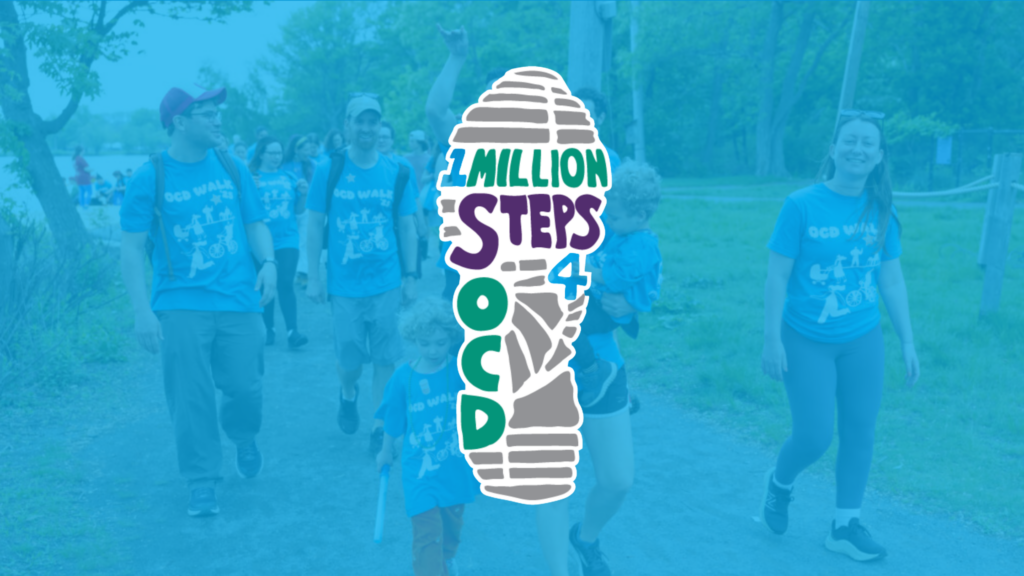
The history of the OCD Walk is rooted in a deeply personal “pilgrimage” of love. In 2012, Denis Asselin walked over 500 miles—roughly one million steps—from his home in Pennsylvania to Boston. He walked in memory of his son, Nathaniel, who tragically took his own life at age 24 after a grueling struggle with severe Body Dysmorphic Disorder (BDD) and OCD.
When Denis finished his journey in Boston, he was met by the International OCD Foundation (IOCDF) and a community hungry for change. Today, the walk continues in that same spirit. We walk to:
- Educate: To dispel the myth that OCD is just about “liking things neat” and to highlight the reality of intrusive thoughts and compulsions.
- Support: To fund the training of more specialists so that effective treatment is accessible to everyone.
- Inspire: To reduce the stigma that often keeps people from seeking the help they deserve.
Why Community Matters in OCD Recovery
OCD is often described as the “secret illness.” Because the intrusive thoughts, or obsessions, can be distressing, nonsensical, or even taboo, many individuals keep their struggles hidden for years. This creates an incredibly isolating experience, where you feel trapped in a private loop of mental and behavioral rituals that don’t feel like your own. When you are alone with your thoughts, it is easy to believe that you are the only one experiencing them.
By gathering at this Boston OCD Walk, we actively shatter that isolation. There is a profound, transformative power in standing in a crowd of hundreds of people who “just get it.” Seeing a sea of teal shirts and hearing stories of resilience reminds us of a fundamental truth: your thoughts do not define your character.
Community connection serves several vital roles in the recovery journey:
- Validation Over Shame: Stigma thrives in the dark. When we walk together, we move these experiences into the light. For many, the walk is the first time they realize they aren’t “weird” or “broken,” but are actually part of a brave community navigating a manageable clinical condition.
- The Power of Shared Experience: Whether you are a person living with OCD, a family member supporting a loved one, or a mental health professional, the walk provides a unique platform to connect. Parents can meet other parents who have successfully navigated the challenges of finding the right care, while individuals can find mentors who have achieved long-term maintenance through ERP.
- Advocating for Systemic Change: The walk is a visible demand for a better future. We aren’t just walking for awareness; we are advocating for a world where “gold standard” treatment isn’t a luxury. Our collective presence pushes for a future where immediate access to effective treatment—like the specialized care we provide in Winchester—is the standard for everyone, not the exception.
- A Living Tribute to Resilience: Every step taken in Boston is a tribute to the legacy of individuals like Nathaniel Asselin. It is a way to turn collective pain into a powerful force for hope, ensuring that the next generation of North Shore residents has a clearer, faster path to diagnosis and relief.
At Insight Recovery Mental Health, we see the impact of community every day in our IOP program. When clients move from individual struggle to group connection, their progress often accelerates. The walk is simply that experience on a much larger scale, a reminder that together, we are stronger than the cycle of OCD.
Support That Fits Your Life: OCD Care in Winchester
At Insight Recovery Mental Health, our mission aligns closely with the vision of the IOCDF. We believe in providing personalized, evidence-based OCD treatment that fits into the real lives of people across the North Shore—from Winchester and Arlington to Lexington and Woburn.
We recognize that OCD is not just a “quirk”; it is a debilitating cycle of intrusive thoughts and repetitive behaviors that can hijack your time, career, and relationships. That is why our clinical approach is grounded in the “gold standard” of treatment: Exposure and Response Prevention (ERP).
How We Help You Reclaim Control
Our team doesn’t just talk about OCD; we give you the tactical tools to confront it. We work with you to safely and systematically face the triggers that cause you distress, while teaching you how to resist the urge to perform compulsions. This process, known as habituation, eventually retrains your brain to realize that the “threat” isn’t actually dangerous.
To provide a truly comprehensive experience, we integrate several powerful modalities into our North Shore therapy services:
- Exposure and Response Prevention (ERP): The frontline defense against OCD. We guide you through gradual exposures, helping you build the “mental muscle” to stay with anxiety without needing to perform a ritual for relief.
- Cognitive Behavioral Therapy (CBT): While ERP handles the behavior, CBT addresses the mental “narrative.” We help you identify and challenge the cognitive distortions—like catastrophizing or overestimating threats—that fuel the OCD cycle.
- Mindfulness & Acceptance and Commitment Therapy (ACT): These techniques teach you to observe intrusive thoughts like “clouds passing in the sky” rather than absolute truths. By developing psychological flexibility, you learn to take action based on your personal values, not your fears.
- Specialized OCD Intensive Outpatient Program (IOP): For those who feel that weekly therapy isn’t enough to break the cycle, our IOP provides a deeper level of support. This 10-hour-per-week program is designed to fit into your busy schedule while offering:
- One-on-one sessions with OCD specialists.
- Real-time ERP coaching to help you navigate exposures in the moment.
- Group sessions to connect with peers who truly “get it,” reducing the shame and isolation that often accompany this disorder.
- Medication Management referrals to ensure a holistic approach when clinically appropriate.
Walk With Us
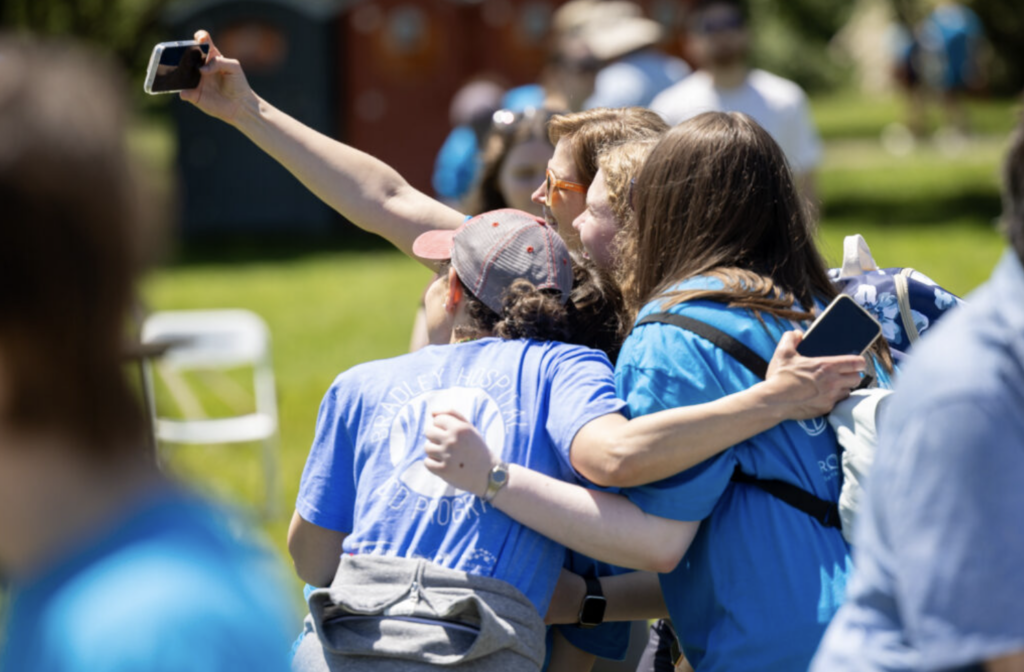
The One Million Steps for OCD Walk is a reminder that while the journey to recovery may be long, you don’t have to take it alone. We invite you to join us in Boston to show your support, share your story, and help us move toward a world where hope and healing are within reach for everyone.
If you or a loved one are struggling with intrusive thoughts or compulsions, remember: you are not your thoughts, and relief is possible.