At Insight Recovery Mental Health, our mission is to deliver the highest-caliber, evidence-based care to individuals navigating complex anxiety, obsessive-compulsive disorder (OCD), and co-occurring conditions. We believe that providing world-class therapy locally requires active engagement with the global scientific community.
To bring the absolute latest clinical breakthroughs home to Massachusetts, our clinical team recently attended the 31st Annual OCD Conference (OCD CON), held from July 9–12, 2026, in Seattle, Washington.
Organized by the International OCD Foundation (IOCDF), this landmark four-day event at the Hyatt Regency Seattle is the world’s largest gathering dedicated exclusively to OCD. It serves as a vital meeting of the minds—bringing together leading researchers, clinicians, individuals with lived experience, and their families to share cutting-edge treatment data.
Now that the conference has concluded, we are sharing our key takeaways from Seattle, alongside a comprehensive look at how we utilize these gold-standard principles to help North Shore residents break the cycle of intrusive thoughts through our local OCD Therapy and Intensive Outpatient Programs (IOP) in Winchester, MA.
Quick Answer: What is the Annual OCD Conference (OCD CON)?
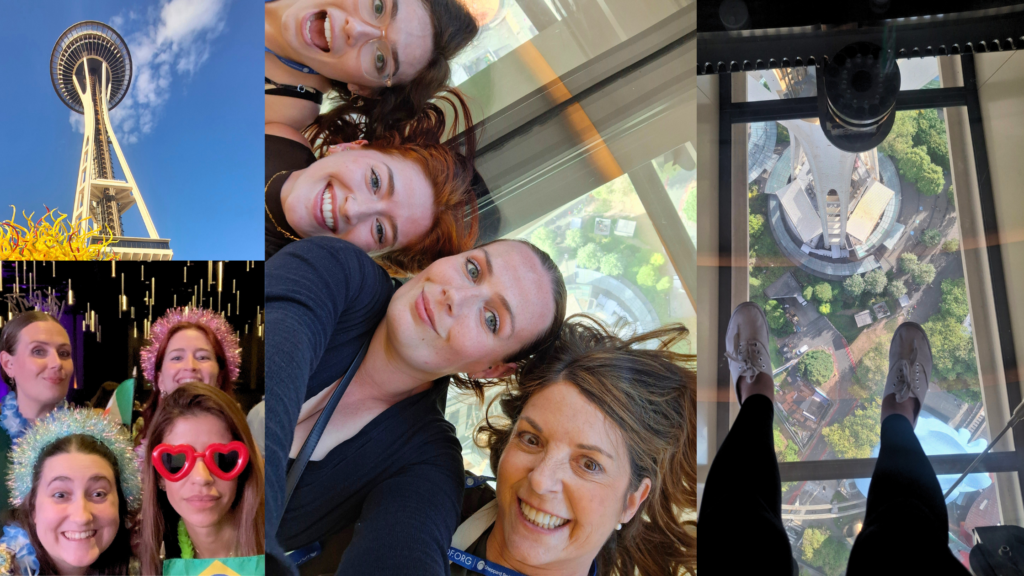
The Annual OCD Conference, organized by the International OCD Foundation (IOCDF), is the world’s largest event dedicated exclusively to obsessive-compulsive disorder and related conditions. Hosted in Seattle from July 9–12, 2026, the event unites global clinicians, researchers, individuals with OCD, and their families. The conference delivers evidence-based clinical training, showcases groundbreaking neurobiological research, and hosts peer-led support groups to ensure that everyone impacted by OCD has access to immediate, effective help and a stigma-free community.
Why Participating in the IOCDF Community Matters
For individuals struggling with obsessive-compulsive disorder, the internal experience is often incredibly isolating. Because OCD thrives on secret doubts, fear, and shame, many people suffer in silence for years before finding a provider who truly understands how to treat the disorder.
The IOCDF is a donor-supported nonprofit dedicated to ensuring that no one affected by OCD has to suffer alone. By creating a global network of specialized professionals and supportive communities, the foundation bridges the gap between scientific discovery and everyday recovery.
Our attendance at the 2026 conference allowed our team to engage directly with this incredible mission. Being in the same space as the pioneers of modern OCD treatment reinforces our commitment to delivering care that is not only deeply compassionate but also backed by the absolute latest clinical trials and scientific data.
Key Highlights and Takeaways from OCD CON 2026

The Seattle conference was packed with hundreds of educational sessions, professional development programs, and community workshops. As we processed the wealth of information alongside our peers, several key themes emerged that are actively reshaping the landscape of OCD care:
1. Advances in Exposure and Response Prevention (ERP)
Exposure and Response Prevention remains the gold-standard behavioral therapy for OCD. However, this year’s sessions highlighted the potential benefits of integrating Inhibitory Learning Models into traditional ERP. Rather than simply waiting for anxiety to habituate (decrease) during an exposure, clinicians are learning to help clients build “safety tolerance”—teaching the brain that it can survive the anxiety of an obsession without performing a physical or mental compulsion. This approach is showing incredible success in reducing long-term relapse rates.
2. The Power of Integrated Dual-Diagnosis Treatment
Many individuals with OCD do not experience the disorder in a vacuum; they frequently struggle with co-occurring depression, severe trauma, or substance use disorders. At Insight Recovery, we specialize in addressing these complex intersections. Sessions at the conference underscored the vital importance of treating OCD and co-occurring conditions concurrently, rather than forcing a client to “fix” their OCD before addressing their trauma, or vice versa.
3. A Holistic Focus on Family Systems
OCD does not just impact the individual; it can deeply disrupt entire family units through a process known as “family accommodation”—where loved ones inadvertently participate in compulsions to keep the peace.
Workshops in Seattle provided clinicians with advanced tools to help families build loving boundaries, step back from accommodating behaviors safely, and provide constructive, non-enabling support that empowers their loved one’s recovery.
4. Expanded Global Accessibility via Hybrid Programming
A unique feature of the 2026 conference was its highly robust hybrid format. In addition to the bustling in-person community at the Hyatt Regency Seattle, the IOCDF introduced exclusive online-only sessions and support groups. This allowed international researchers and individuals from across the globe to participate in real-time, proving that geographical boundaries should never limit access to life-changing recovery tools.
OCD Therapy at Insight Recovery Mental Health in Winchester, MA
At Insight Recovery Mental Health in Winchester, MA, we provide therapy that helps you regain control, reduce distress, and reclaim your quality of life. You don’t have to navigate this condition alone. We use evidence-based approaches tailored to your unique experience:
- Exposure and Response Prevention (ERP): This is the gold-standard, proven approach for treating OCD. It involves gradually and safely confronting the thoughts, situations, or triggers that cause anxiety—while learning to reduce or resist the urge to engage in compulsive behaviors. With consistent practice and support, many people find that their anxiety lessens and they feel more in control over time.
- Cognitive Behavioral Therapy (CBT): CBT helps you identify and challenge unhelpful thoughts, reduce avoidance, and build healthier mental and behavioral patterns.
- Mindfulness-Based Techniques: Mindfulness helps you tolerate physical and emotional distress without reacting to every intrusive thought—reducing fear and increasing overall resilience.
- Acceptance and Commitment Therapy (ACT): ACT teaches you to accept distressing thoughts without engaging in compulsions, helping you take action based on your personal values rather than your fears.
- Medication Management: When clinically appropriate, we can collaborate with prescribing professionals to integrate medication into your treatment plan. This approach is always tailored to your individual needs and goals, and medication is never required to participate in therapy.
Our OCD Intensive Outpatient Program (IOP)
For individuals who would benefit from a more structured level of care, Insight Recovery Mental Health offers an Intensive Outpatient Program (IOP) specifically designed for OCD and related disorders. This program provides focused, evidence-based support while fitting seamlessly into your daily life.
Program Structure and Duration
- Time Commitment: A structured 4 to 12-week intensive program offering approximately 10 hours per week of individual and group care.
- Daily Integration: Designed to fit into your daily life so you can keep moving forward with work, school, or family responsibilities while getting the deep clinical care you need.
Comprehensive Therapy Components
- One-on-One Specialist Care: Individual therapy sessions with a dedicated OCD specialist.
- Real-Time ERP Coaching: Direct Exposure and Response Prevention coaching with real-time support to help you resist compulsions.
- Skill-Building Groups: Group therapy sessions focused on building coping tools, distress tolerance, and valuable peer connection.
- Psychoeducation: Structured lessons to help you and your loved ones thoroughly understand and manage the mechanics of OCD.
- Medication Support: Coordinated medical referrals or in-program medication management alongside your therapy tracks.
Key Takeaways
- The Global Connection: The 31st Annual OCD Conference in Seattle brought the global OCD community together from July 9–12, 2026, to share the latest evidence-based clinical practices and therapeutic breakthroughs.
- Clinical Standard of Care: Specialized behavioral therapies like Exposure and Response Prevention (ERP) and Cognitive Behavioral Therapy (CBT) are the most effective, proven methods to break the OCD cycle.
- Local Specialized Support: Insight Recovery Mental Health provides highly individualized outpatient OCD therapy in Winchester, MA, serving families across the North Shore.
- Structured IOP Option: Our OCD Intensive Outpatient Program (IOP) offers 10 weekly hours of individual ERP coaching, peer groups, and medication coordination over a 4 to 12-week track.
- Compassionate Care Philosophy: You are not alone, and you are not defined by your intrusive thoughts. Recovery is achievable with the right scientific support and professional guidance.
Frequently Asked Questions About OCD Therapy
What is OCD therapy at Insight Recovery?
OCD therapy helps manage intrusive thoughts (obsessions) and repetitive behaviors or rituals (compulsions). We use evidence-based approaches such as Cognitive Behavioral Therapy (CBT) and Exposure and Response Prevention (ERP) to help you break the cycle and regain control. We also offer specialized clinical approaches like ACT, mindfulness, and a structured Intensive Outpatient Program (IOP) to meet your specific level of care.
How does Exposure and Response Prevention (ERP) actually work?
ERP works by deliberately exposing you to the specific thoughts, images, or situations that trigger your OCD anxiety, while providing professional support to help you resist performing your usual compulsion or ritual. Over time, through a natural neurological process, your brain learns that the anxiety will eventually fade on its own without the need for a compulsion, reducing the overall power and frequency of the intrusive thoughts.
Who is eligible for the OCD Intensive Outpatient Program (IOP)?
Our OCD IOP is designed for adults who are experiencing moderate to severe OCD symptoms that significantly interfere with their daily functioning, relationships, or work. It is an ideal option for individuals who need more structured support than standard weekly therapy can provide, or for those transitioning out of a residential treatment facility who want to maintain their recovery momentum.
Do you serve communities outside of Winchester?
Yes, absolutely. Our specialized OCD therapy and IOP services are easily accessible to individuals living throughout Winchester, Arlington, Lexington, Medford, Woburn, Reading, and the surrounding North Shore communities, providing a warm, supportive, and local sanctuary for recovery.
Take the First Step Toward Relief Today
Living with obsessive-compulsive disorder can feel incredibly isolating and overwhelming, especially when your thoughts do not feel like your own. But this condition is highly treatable, and you do not have to carry this heavy burden by yourself.
At Insight Recovery Mental Health, our professional, compassionate clinical team is entirely committed to helping you break the cycle of fear, reduce your daily anxiety, and reclaim your quality of life. We provide a safe, stigma-free environment where you can build the practical tools needed to rediscover your peace of mind and live a flexible, self-directed life.
Let our local admissions coordinators help you navigate your care options and verify your insurance coverage. Contact our Winchester mental health treatment center today to schedule your private consultation and begin your path toward lasting relief.